
Solar panels for homes — from quote to grid connection
We do all the work for you: we assess the suitability of your roof or plot, prepare a free quote, sort out permits and documents, and install a system that starts reducing your electricity bill from the first sunny day. You deal with one partner — we deal with Elektrilevi and the municipality.
- Free quote
- 15 kW from €9,840 + VAT
- Installed in one working day
- One partner from start to finish
Updated

In brief
- A 15 kW rooftop system costs €9,840 + VAT, a 15 kW ground-mounted system €10,940 + VAT — both including installation, without a battery.
- The system is completed in one working day, on a roof or on the ground.
- From the same system you can also order battery storage (Deye BOS-G, module €880 + VAT), an EV charger (from €1,500 + VAT) and a hybrid inverter.
- The typical payback period is 6–7 years, panel lifespan over 25 years.
- You deal with one partner — design, permits, installation and the Elektrilevi connection from one place.
What can be installed for a home?
We install rooftop systems, ground-mounted plants, battery storage, EV chargers and hybrid inverters — all from one place, compatible with each other.
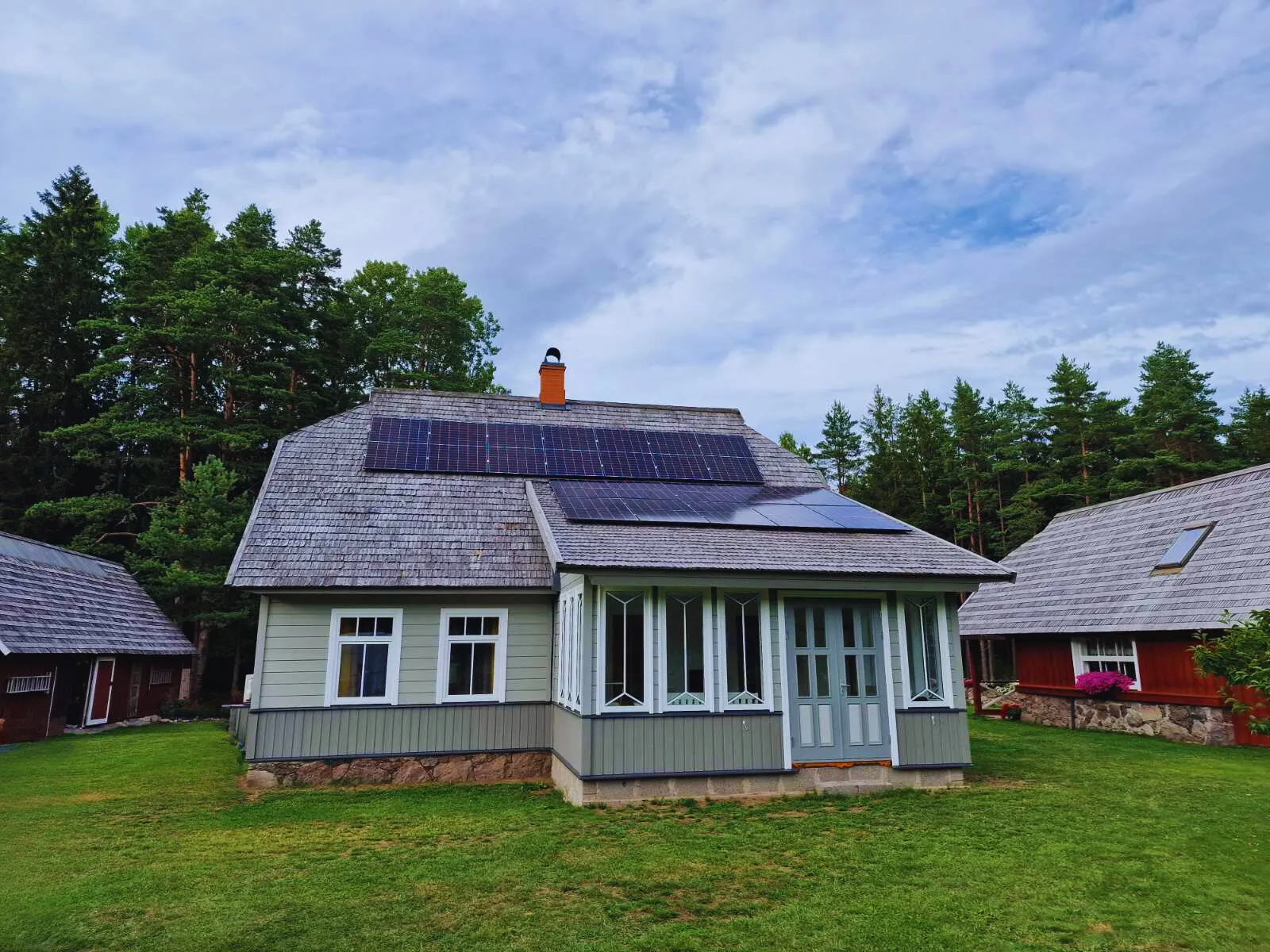
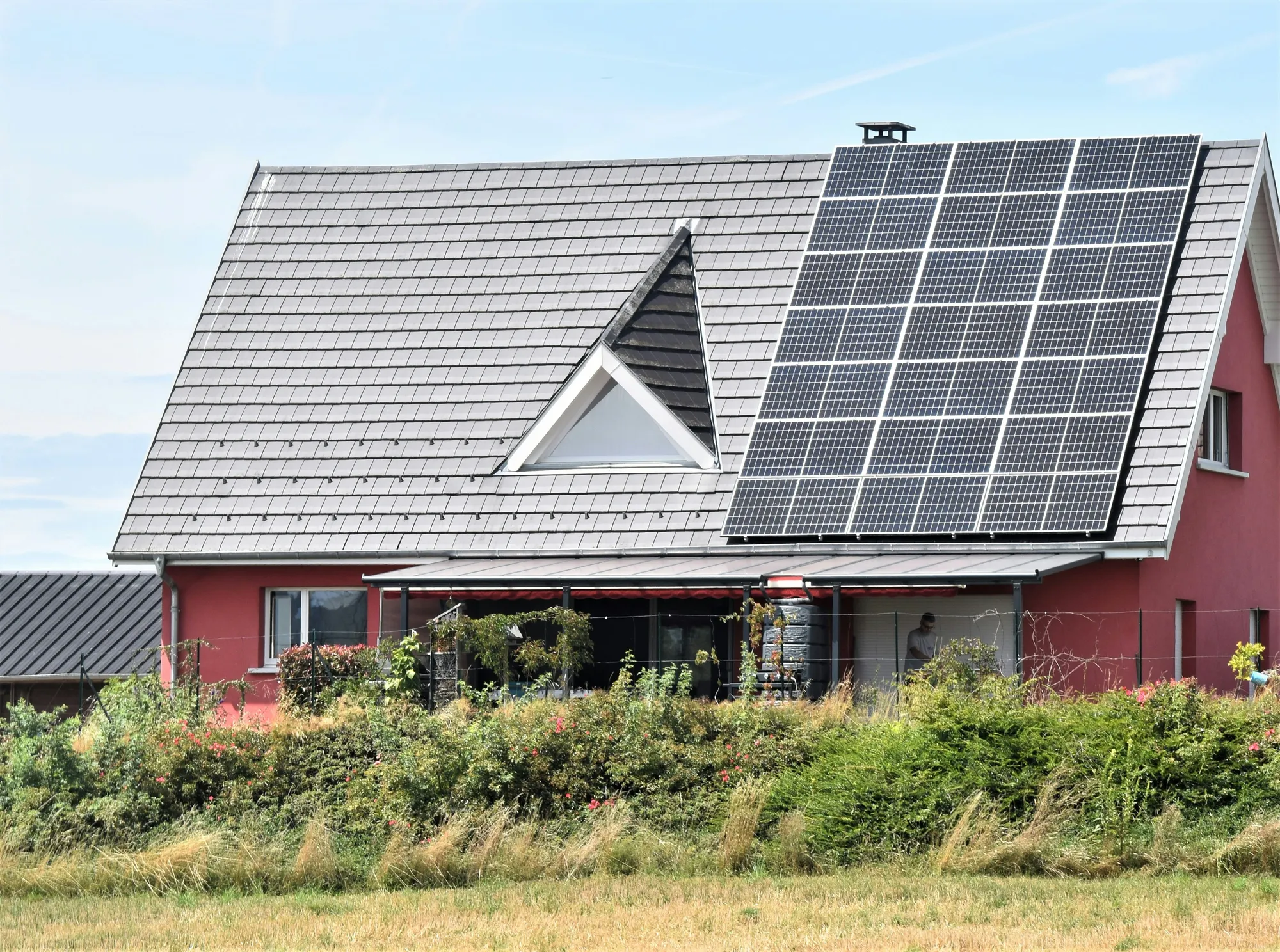
Rooftop solar
The choice of most homes — panels for pitched, flat or shingle roofs, roof warranty preserved.
from €9,840 + VATRead more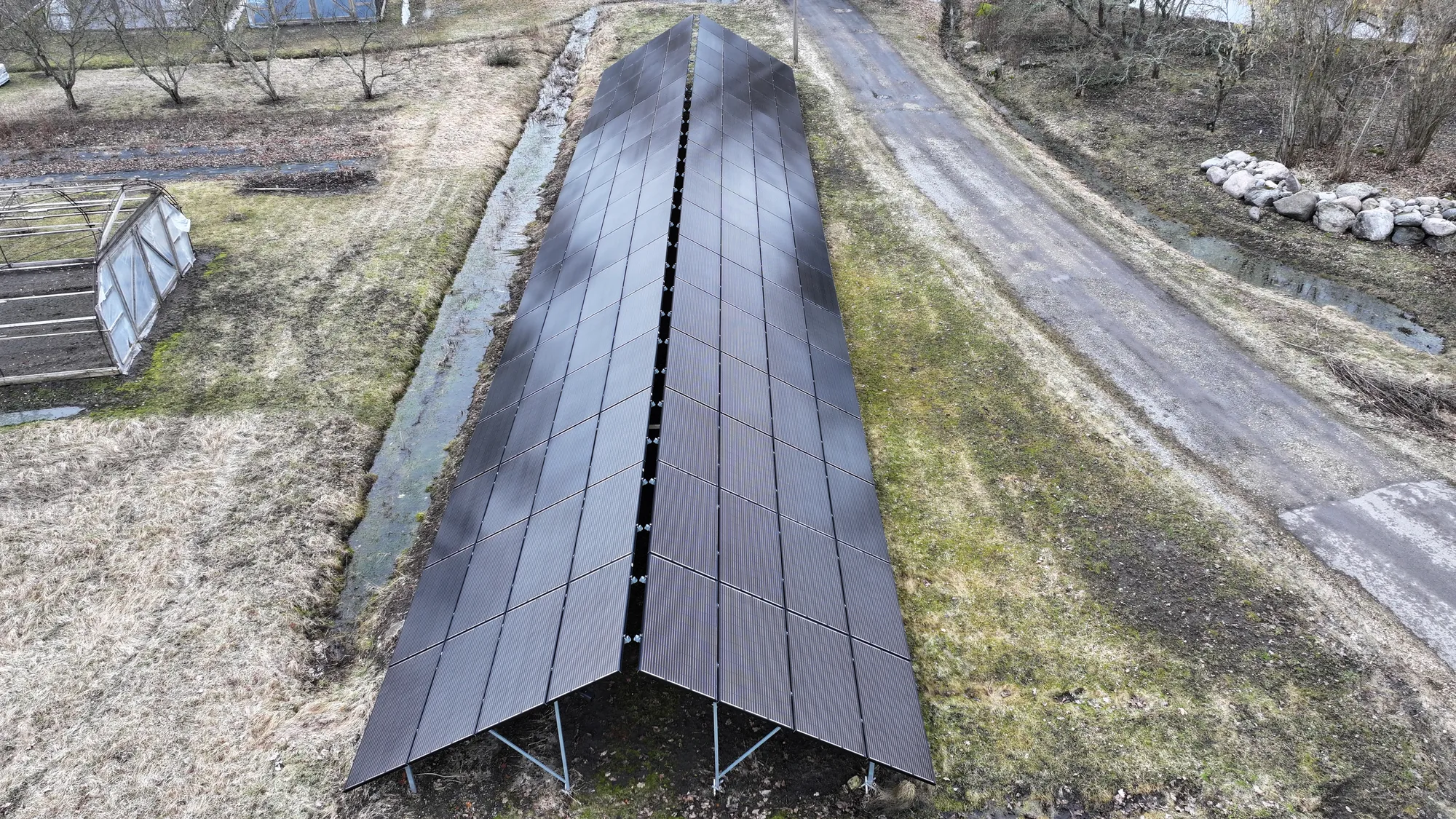
Ground-mounted solar
When you have more land than roof — panels at the optimal angle, higher output.
from €10,940 + VATRead more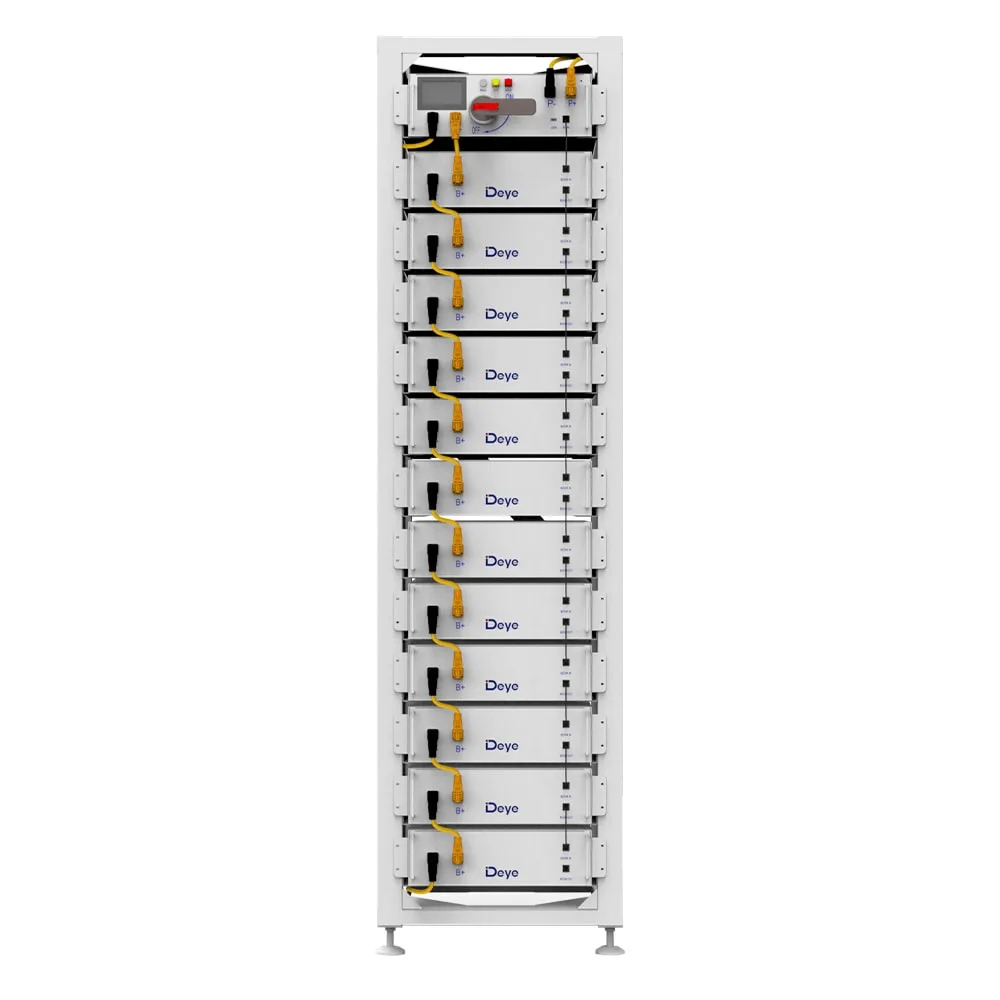
Battery storage
A Deye BOS-G home system keeps the daytime production for the evening and powers the house during an outage.
module €880 + VATRead more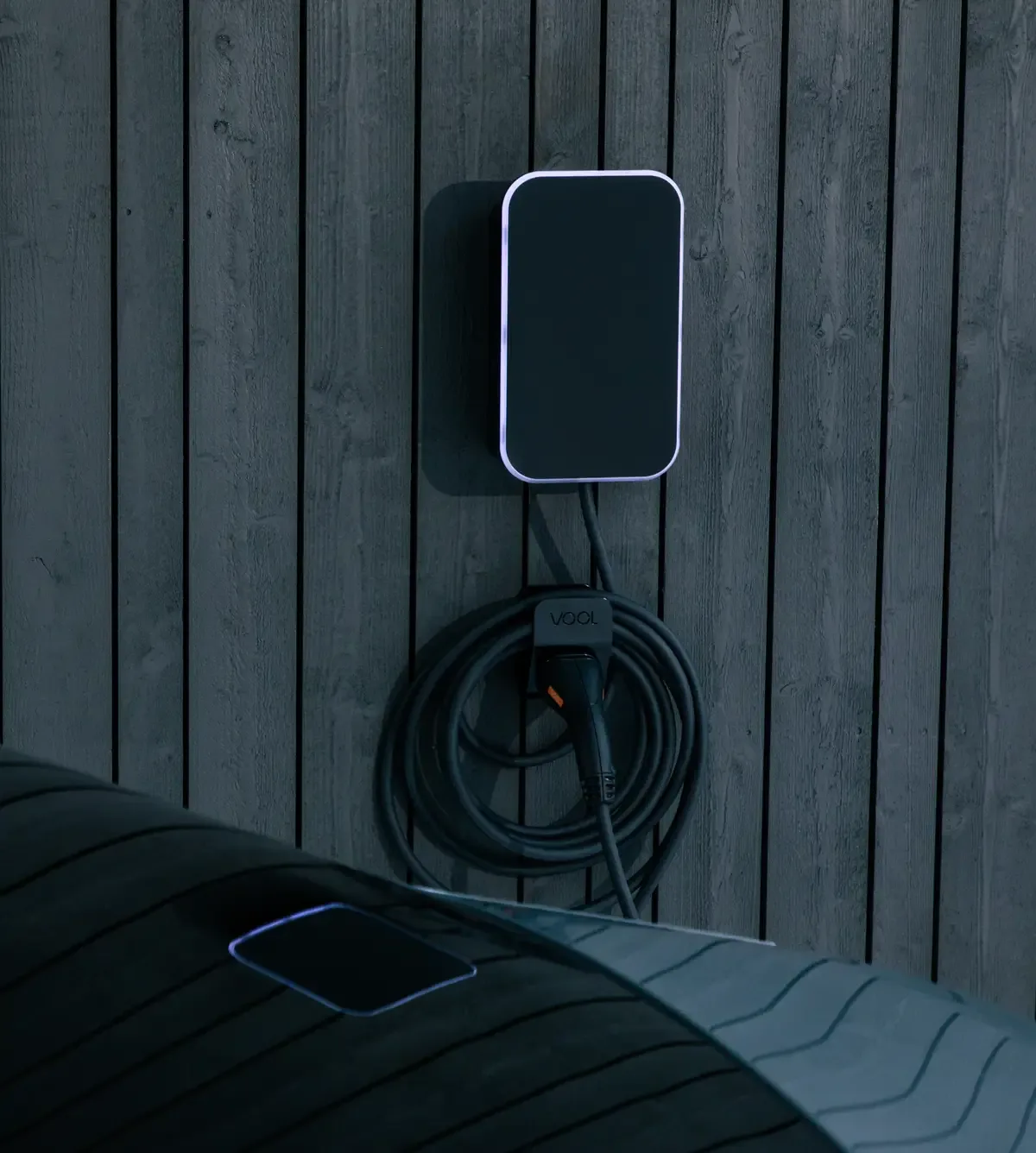
EV charger
A VOOL or Deye home charger that uses your own solar energy first.
from €1,500 + VATRead more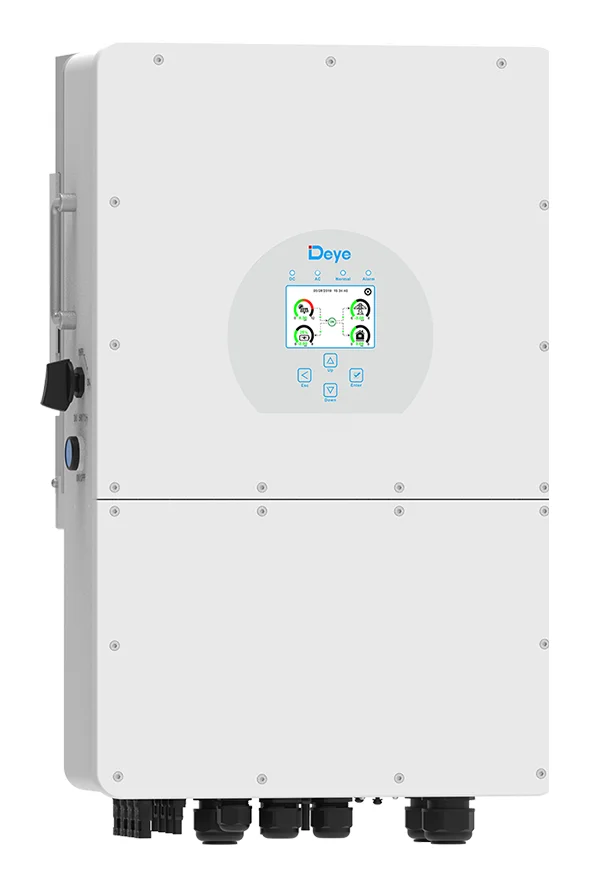
Hybrid inverters
Deye single- and three-phase inverters that manage the flow between panels, battery and grid.
Read moreHow much does a solar park for a home cost?
A 15 kW rooftop system costs €9,840 + VAT and a 15 kW ground-mounted system €10,940 + VAT, both without a battery and including installation. The price covers panels, inverter, mounts, electrical work and installation.
| Solution | Capacity | Annual production | Installation | Price |
|---|---|---|---|---|
| Rooftop solar | 15 kW | approx. 13,500 kWh | 1 working day | €9,840 + VAT |
| Ground-mounted solar | 15 kW | approx. 13,500 kWh | 1 working day | €10,940 + VAT |
Prices exclude VAT and a battery. The price changes if the capacity differs from 15 kW, the roof is flat or shingle, the plot needs preparation, or the Elektrilevi connection capacity has to be increased. We inspect the site and prepare a transparent quote with no later extras.
Rooftop or ground-mounted — which suits my house?
Rooftop suits you if the roof surface is free and south-facing. Ground-mounted suits you if you have more land than roof or want higher output.
Price at 15 kW
- Rooftop
- €9,840 + VAT
- Ground-mounted
- €10,940 + VAT
Suits when
- Rooftop
- the roof surface is free and south-facing
- Ground-mounted
- you have more land than roof
Output per kW
- Rooftop
- depends on roof orientation and pitch
- Ground-mounted
- usually higher
Permits
- Rooftop
- usually only grid connection
- Ground-mounted
- often a municipal procedure
Maintenance and snow clearing
- Rooftop
- requires going up on the roof
- Ground-mounted
- easy, from the ground
In both cases we design the system around your consumption and connection capacity. Read more about rooftop solutions or building a ground-mounted plant — if you are unsure which suits you, we come to inspect the site.
How does installing a home solar park work?
A 15 kW solar park is completed in one working day, on a roof or on the ground. The whole way from the first call to the grid connection is five steps.
- We inspect the houseWe assess the roof type and orientation or the suitability of the plot, the connection capacity and the consumption profile.
- We prepare a quoteWe calculate capacity, production forecast and price — transparently, with no later extras.
- We sort out permitsWe deal with Elektrilevi and, where needed, the local municipality for you.
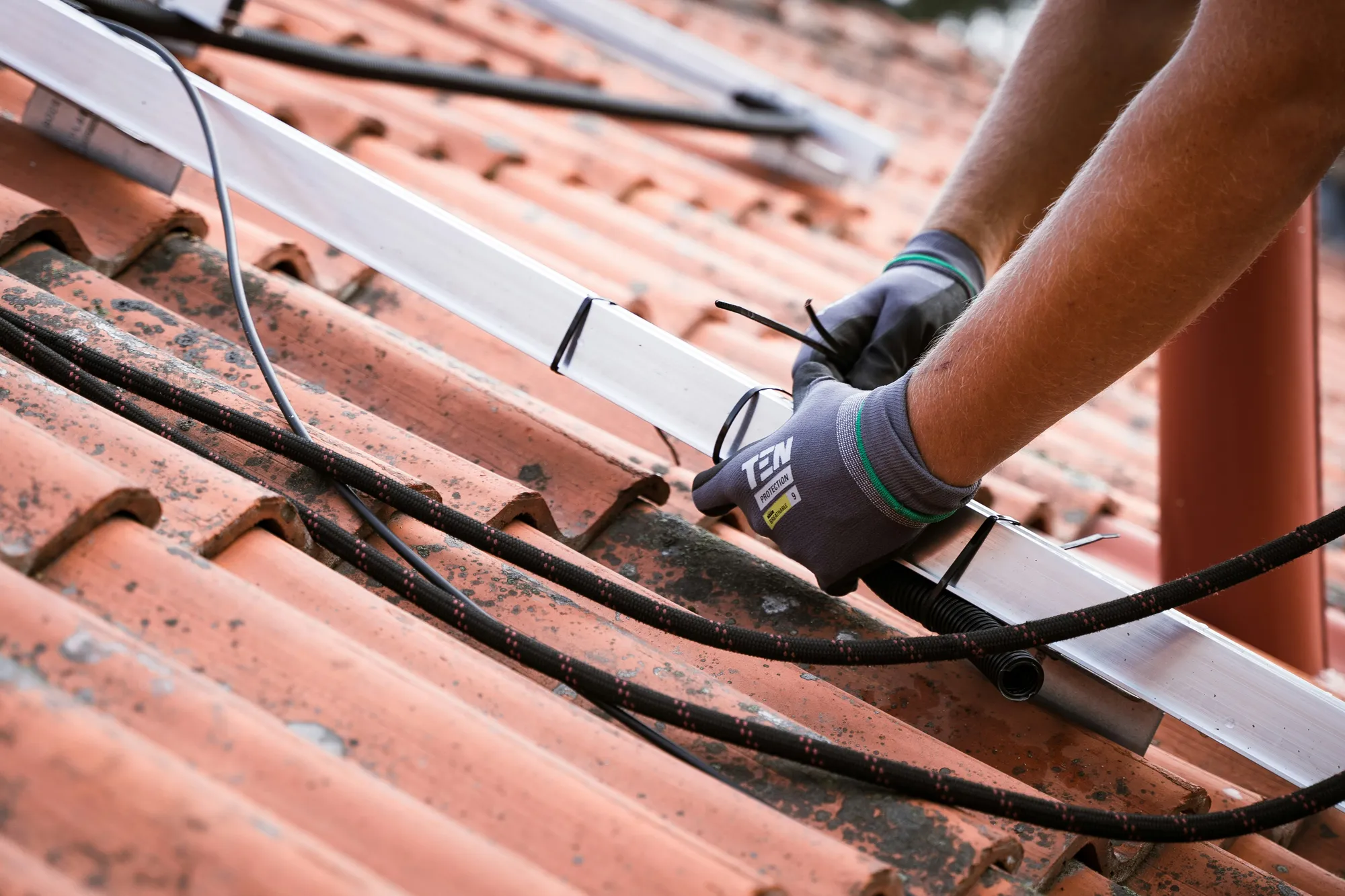
- We install in one dayMounts, panels, inverter, fuses and cabling according to current standards.
- We configure and hand overWe connect to the grid, set up monitoring, and issue the measurement protocol and warranty.
What exactly is asymmetry?
Estonia's electricity metering works phase by phase — also when you sell surplus solar energy to the grid.
Buying is problem-free, but when selling to the grid, if even one phase sells over the permitted limit, Elektrilevi as the grid operator imposes a penalty for it. An inverter can be symmetric (produces equally into every phase) or asymmetric (produces into the phase where consumption currently is).
Example at home: a kettle draws 3 kW from one phase. A symmetric inverter produces 2 kW into each phase — for the single-phase device 1 kW has to be bought in addition, together with the electricity price, renewable energy charge and grid fee, while the two other phases sell their surplus cheaply to the grid. This phenomenon is called netting.
Asymmetric inverters (e.g. Deye) generate into the phases according to the phase load — the missing kilowatt is taken from another phase instead of being bought from the grid. Inverters up to 15 kW have 50% asymmetry, 20 kW and above 100% — read more on the hybrid inverters page. With an asymmetric inverter, sales to the grid can also be limited to zero if needed, which matters if the Elektrilevi grid is overloaded in the area.
How fast does a home solar park pay for itself?
The typical payback period is 6–7 years without a battery and without subsidies.
6–7
years
without a battery or subsidies
Panels last over 25 years, so after payback the system produces free electricity for almost two more decades. Payback depends above all on how much of the production goes to self-consumption — on self-consumed electricity you pay no electricity price, grid fee or renewable energy charge.
Self-consumption can be raised in three ways: with battery storage, which stores the daytime production for the evening; with an EV charger, which charges the car by solar production; and by scheduling larger loads for the daytime. An asymmetric inverter also helps avoid netting loss.
A complete home solution: panels, battery and charger
We install all three systems together, with one site visit and one quote — this keeps cabling and configuration more economical than ordering them separately.
| Component | Example | Price |
|---|---|---|
| Rooftop system | 15 kW | €9,840 + VAT |
| Battery storage | Deye BOS-G20, 18.43 kWh usable capacity | €3,520 + VAT |
| EV charger | Wall-mounted, 11 or 22 kW | €1,500 + VAT |
| Example package total | €14,860 + VAT |
An illustrative example, not a quote. The actual price depends on the roof, the cable run length and the chosen battery capacity — we give the exact price after the site visit.
Why is it worth building a solar park for a home?
A smaller electricity bill
Every kilowatt produced in a sunny hour is a kilowatt you do not buy from the grid. The system starts reducing your bill from the first day of production.
Protection against price rises
Your own production makes you less dependent on swings in the electricity exchange price and on grid fee increases.
Property value
A working solar park and lower energy costs are a visible and measurable advantage to a home buyer.
25+ years, little maintenance
Panels last over 25 years. Besides monitoring, the system usually needs only an occasional inspection.
Does a home need a permit?
A rooftop solar system on a home always needs a building and use notice (ehitus- ja kasutusteatis), and the Elektrilevi connection has to be agreed as well. The exception is a house that is still being built, where the solar plant is legalised during the occupancy permit procedure. A larger ground-mounted plant mostly needs a municipal procedure too.
We clarify the need already at the site visit, prepare the building and use notice and sort out all the documents for you — read more on the rooftop and ground-mounted pages. If you are planning the system for a business rather than a home, see solutions for business.
Frequently asked questions about a home solar park
How much does a solar park for a home cost?
A 15 kW rooftop system costs €9,840 + VAT and a 15 kW ground-mounted system €10,940 + VAT, both including installation and without a battery. The price covers panels, inverter, mounts, cabling and electrical work. The exact price depends on the roof type, connection capacity and the distance to the electrical panel — we give it after the site visit.
How long does installing a solar park on a home take?
A 15 kW system is completed in one working day, on a roof or on the ground. The whole way from the first call to the grid connection takes longer because the Elektrilevi procedure adds its own time — the installation work itself is still one day.
Does a rooftop or a ground-mounted system suit my house better?
A rooftop system suits you if the roof surface is free and south-facing — it needs no separate land. A ground-mounted system suits you if you have more land than roof or want higher output. If you are unsure, we come to inspect the site and give you a price for both.
Can a battery be added to a solar park now or later?
Yes. A Deye BOS-G battery module (5.12 kWh) costs €880 + VAT including installation. A battery can be ordered right away together with the solar park or added later to an existing system — see models and capacities on the battery storage page.
Can an electric car be charged with the solar park?
Yes. A VOOL or Deye home charger is connected to the same system and set up to use your own solar energy first, not grid electricity. Read more on the EV chargers page.
What is an asymmetric inverter and does it matter for a home?
An asymmetric inverter sends the produced power to the phase where the house is currently consuming, not equally to all three phases. This reduces so-called netting loss and increases self-consumption. Inverters up to 15 kW have 50% asymmetry, 20 kW and above 100%.
Does a solar park on a home need a permit or a notice?
A rooftop solar system on a home always needs a building and use notice (ehitus- ja kasutusteatis), and the Elektrilevi connection has to be agreed as well. The exception is a house that is still being built, where the solar plant is legalised during the occupancy permit procedure. A larger ground-mounted plant mostly needs a municipal procedure too. We sort out all permits and notices for you — we clarify the need already at the site visit.
How fast does a home solar park pay for itself?
The typical payback period is 6–7 years without a battery and without subsidies. Panels last over 25 years, so after payback the system produces free electricity for almost two more decades. Payback can be sped up with battery storage and an EV charger, both of which raise self-consumption.
Customer reviews on Google
- Markko
Google review
A very businesslike company. I first had them install a ground-mounted plant, and all the documents and the work went quickly and smoothly. Later I also had them install a battery bank, with which my own electricity cost is zero all year round (220 m² of heated area), since I also take part in the frequency reserve market, so there is even money left over in the yearly total. Which makes the invested costs pay back faster. I recommend!
Translated from Estonian
 Anto
AntoGoogle review
I have used A&V several times. Panels were installed years ago and batteries last year. A good personal approach. They also help get all the documents in order.
Translated from Estonian
- Tarmo
Google review
The cooperation has gone well in building two storage solutions.
Translated from Estonian
Want to know more?
We inspect your roof or plot, calculate the right capacity and prepare a free quote. We install across Estonia.